
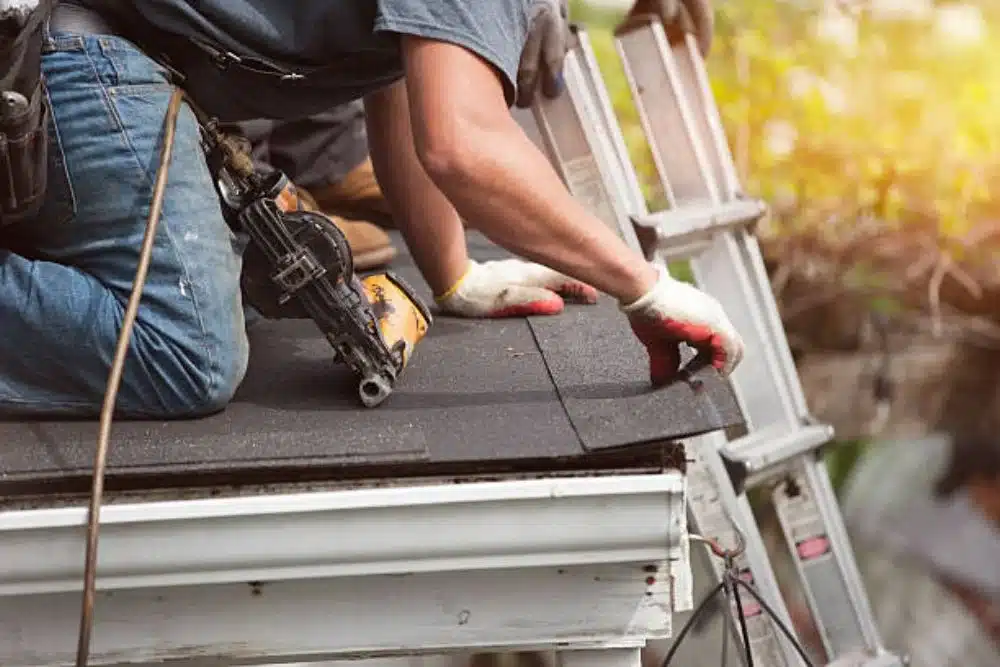
In Miami, a roof never really gets a break. There is the UV beating down almost every day, humidity that never fully lets up, salt in the air drifting in from the coast, and hurricane season waiting in the background. From the street the roof can look fine, but small cracks, loose sealant, and worn shingles often tell a different story.
Many homeowners only think about roof maintenance in Miami when a stain appears on the ceiling or a storm pulls something loose. By that point the problem has already spread, and the repair bill usually reflects it. The real question is not whether maintenance is important. It is how often to do it so leaks, rot, and emergency calls stay off the calendar.
This guide breaks down how Miami’s climate wears on a roof, what proper maintenance includes, and how often to plan roof inspection in Miami if you actually want roof leak prevention, not just damage control.
Why Miami Roofs Need More Attention Than Roofs In Other Cities
A roof in Miami faces more stress in one year than some roofs see in several. The main culprits are:
- Intense UV and heat: Sun exposure dries out shingles, tiles, sealants, and underlayment. Materials become brittle, edges curl, and protective granules wash away. Over time this opens thin pathways for water to find its way in.
- Humidity and warm rain: Moisture hangs in the air for most of the year. When warm rain hits a warm roof, water dries more slowly. Persistent dampness in certain areas creates the right conditions for mold, rot, and slow structural damage.
- Salt in the air: In coastal parts of Miami, salt does to metal roof components what it does to cars and railings. Fasteners, flashing, and metal accessories corrode faster, which weakens the parts that keep water out at seams and transitions.
- Hurricanes and tropical storms: High winds lift shingles and tiles, shift flashing, and can drive rain sideways under coverings. Even when a roof survives without visible broken pieces, the system often has minor damage that only shows up later as leaks.
These conditions are the reason roof maintenance in Miami is not a once in a while task. It is part of owning a home in this climate.
What Roof Maintenance In Miami Should Actually Include
Maintenance is not just someone glancing at the roof from the driveway. For preventative roof care to work, a visit needs to look for the specific weaknesses the local climate creates.
A thorough maintenance visit usually includes:
- Surface inspection: Checking shingles or tiles for cracks, curling, missing pieces, and worn areas. Identifying spots where UV and heat have clearly taken a toll.
- Flashing and penetrations: Inspecting metal flashing around chimneys, vents, skylights, walls, and valleys. These are common leak points, especially when coastal corrosion or wind has worked fasteners loose.
- Sealant and joints: Looking for dried, cracked, or separated sealants at seams and transitions. These hairline gaps often cause slow leaks that show up as ceiling stains months later.
- Gutters and drainage: Clearing debris from gutters and downspouts and confirming that water leaves the roof quickly instead of pooling along edges.
- Attic and ceiling review: Checking the underside of the roof deck and insulation for dark spots, moisture, or mold, which can reveal hidden leaks before they show inside the living space.
When roof inspection in Miami is done this way, maintenance becomes a tool for roof leak prevention, not a box that gets checked once a year with no real benefit.
How Often Should Roof Maintenance Be Scheduled In Miami
There is no single answer that fits every home. Age of the roof, materials, and location all matter. Still, there are practical guidelines that work for most houses in the area.
For many homes, a good starting point is:
- Once a year as a baseline: An annual roof inspection in Miami is the minimum for catching problems created by UV, heat, and daily storms.
- Before and after hurricane season: Some homeowners prefer a schedule that includes one visit before hurricane season to tighten things up and another after major storms to see what needs repair.
- Twice a year for older roofs: Roofs approaching the end of their expected lifespan or those that have been patched multiple times benefit from more frequent inspections. Small issues show up faster and spread faster on aging materials.
If a roof has already had recurring leaks, visible sagging, or widespread repairs, preventative roof care twice a year is usually cheaper than dealing with repeated emergencies.
Warning Signs That Maintenance Is Overdue
A roof often broadcasts that it needs attention before water starts dripping into a room. Some signs are subtle, but they all point toward the same thing: maintenance has been delayed.
Common indicators include:
- Shingles or tiles that look uneven, curled, or lifted in certain areas
- Dark streaks or discolored patches that do not wash away easily
- Granules from shingles collecting in gutters or at downspout exits
- Small stains or rings on ceilings or high walls inside the home
- Musty smells in certain rooms or in the attic after heavy rain
- Peeling paint or soft spots along exterior soffits and fascia near the roofline
Any of these is a strong reason to schedule roof maintenance in Miami right away. Waiting for a large, obvious leak usually means the damage underneath has already progressed.
A Simple Seasonal Plan For Preventative Roof Care In Miami
Instead of guessing when to call a professional, it helps to attach roof maintenance in Miami to the local weather pattern.
A simple plan might look like this:
- Late spring check: Inspect and service the roof before the heart of hurricane season. Make sure flashing, fasteners, and coverings are secure and that gutters are clear.
- Post storm review: After any significant storm with strong winds, have the roof checked for shifted tiles, lifted shingles, and storm driven water intrusion. The goal is to correct minor storm damage before it turns into roof leak prevention
- End of year inspection: Use the drier months to perform a more thorough review and repair any issues that showed up during the rainy season. This stabilizes the roof before the next full cycle begins.
Tying maintenance to seasons keeps the schedule consistent and keeps the roof ahead of the weather, instead of always reacting to it.
What Homeowners Can Do And When To Call A Professional
Not every part of roof maintenance in Miami requires climbing onto the roof, and not every task should be handled without proper training.
Homeowners can safely:
- Keep gutters and downspouts clear of leaves and debris from ground level or with safe ladder use.
- Look at the roof from the yard with binoculars to spot missing or clearly damaged tiles or shingles.
- Check ceilings and attic spaces regularly for early signs of moisture or staining.
Professional help is important for:
- Walking and working on the roof without causing additional damage.
- Inspecting and repairing flashing, sealant, and penetrations where leaks tend to start.
- Evaluating structural concerns when sagging, soft spots, or repeated leaks appear.
- Providing documented roof inspection in Miami FL for insurance or warranty purposes.
A balanced approach keeps homeowners informed without putting them at risk or turning minor fixes into larger problems.
How Regular Roof Maintenance Protects More Than Just The Roof
A well maintained roof does more than keep rain out.
Consistent roof maintenance in Miami helps:
- Protect drywall, insulation, and framing from slow moisture damage that is expensive to correct once it spreads.
- Reduce the risk of mold growth caused by small, unnoticed leaks in warm, humid spaces.
- Preserve interior finishes like paint, flooring, and cabinetry that can be ruined by water intrusion.
- Support energy efficiency by keeping the roof system and attic insulation in better condition.
From a financial standpoint, preventative roof care also supports better outcomes during insurance claims because there is a record of responsible upkeep.
Planning Roof Maintenance In Miami Before The Next Storm
Miami’s climate is not gentle on roofs, and it will not become easier on them in the years ahead. What can change is how often roofs are checked, how early small issues are handled, and how seriously preventative roof care is treated.
Instead of waiting for a leak to appear in the middle of a busy week, many homeowners now set a regular schedule for roof inspection in Miami and treat it like any other essential maintenance.
Unity Windows & Doors works with homes that face the same sun, salt, and storms that wear down roofing. When the goal is roof leak prevention and a safer building envelope overall, pairing quality windows and doors with consistent roof maintenance creates a stronger line of defense for the entire home.
If it has been a year or more since the last inspection, this is the moment to act. Book our professional roof maintenance in Miami, get the roof properly assessed, and put future inspections on a recurring schedule so storms arrive on a roof that is already prepared.
FAQs: Roof Maintenance in Miami’s Climate
How often should I schedule roof maintenance in Miami?
In Miami’s climate, once a year is the minimum for roof maintenance in Miami. Many homeowners with older roofs or homes closer to the coast choose twice a year: one inspection before hurricane season and another after the heaviest storms. That schedule gives a roofer enough chances to spot small issues before they become leaks.
What should a proper roof inspection in Miami include?
A good roof inspection in Miami looks at more than just missing shingles or tiles. It should include:
- Surface review of shingles or tiles for cracks, curling, or missing pieces
- Flashing checks around chimneys, vents, skylights, and walls
- Sealant and joint checks where different materials meet
- Gutter and drainage review so water leaves the roof quickly
- Attic or ceiling checks for early moisture, stains, or mold
When all of these are checked, preventative roof care has a real chance to stop problems early.
Why do roofs in Miami need more attention than roofs in other cities?
Miami roofs deal with strong UV, high heat, constant humidity, salt in the air, and tropical storms. That mix breaks down sealants faster, wears out shingles and tiles sooner, and speeds up corrosion of metal parts. Without regular roof maintenance in Miami, these small stresses often turn into leaks much earlier than they would in a milder climate.
What are early warning signs that roof leak prevention is failing?
Early warning signs include:
- Small stains or rings on ceilings or high walls
- Dark streaks or discolored patches on shingles or tiles
- Granules from shingles piling up in gutters
- Peeling paint or soft spots along exterior soffits or fascia
- Musty smells in certain rooms or in the attic after rain
Any of these means roof leak prevention is no longer just theoretical. It is time to schedule a roof inspection in Miami instead of waiting for a full leak.
Is preventative roof care really cheaper than waiting for a leak?
Yes. Preventative roof care usually involves minor repairs: resealing flashing, replacing a small number of damaged shingles or tiles, clearing drainage, or tightening loose components. Waiting until a leak appears often means paying for interior repairs too, such as damaged drywall, insulation, flooring, or cabinetry. Over a few years, consistent roof maintenance in Miami usually costs less than repeated emergency work.
Can I do my own roof inspection instead of calling a professional?
Homeowners can do basic checks from the ground or from inside the house. Looking at the roof with binoculars, checking ceilings for stains, and monitoring the attic after heavy rain are all helpful. However, a full roof inspection in Miami is safer and more accurate when done by a professional. They can walk the roof correctly, inspect flashing, test soft spots, and identify issues that are not obvious from the yard.
When should I schedule roof maintenance after a storm?
If a storm brings strong wind, flying debris, or heavy rain, it is wise to arrange roof maintenance in Miami soon after, especially if the roof is older. Even when no tiles or shingles appear missing from the ground, wind can lift edges, loosen flashing, or drive water under coverings. A post-storm inspection supports effective roof leak prevention before the next system moves through.
Does every small leak mean I need a new roof?
Not always. A single small leak might come from damaged flashing, worn sealant, or a small area of cracked shingles or tiles. In those cases, targeted repair as part of preventative roof care can extend the life of the roof. Replacement becomes more likely when there are multiple leaks, widespread surface damage, or structural concerns found during a roof inspection in Miami.
How does roof maintenance affect my home’s energy efficiency?
A roof that is maintained properly helps keep insulation dry and intact, reduces hidden gaps where air escapes, and prevents moisture from weakening the roof deck. That supports more stable indoor temperatures and helps HVAC systems work more efficiently. In that way, roof maintenance in Miami protects both the structure and long-term energy costs.
When should a Miami homeowner book their next roof inspection?
If it has been a year or more since the last professional check, or if there have been heavy storms recently, the safest move is to book a roof inspection in Miami now. From there, the homeowner and roofer can set a recurring schedule that fits the age and condition of the roof, turning roof leak prevention into a routine instead of a reaction.