
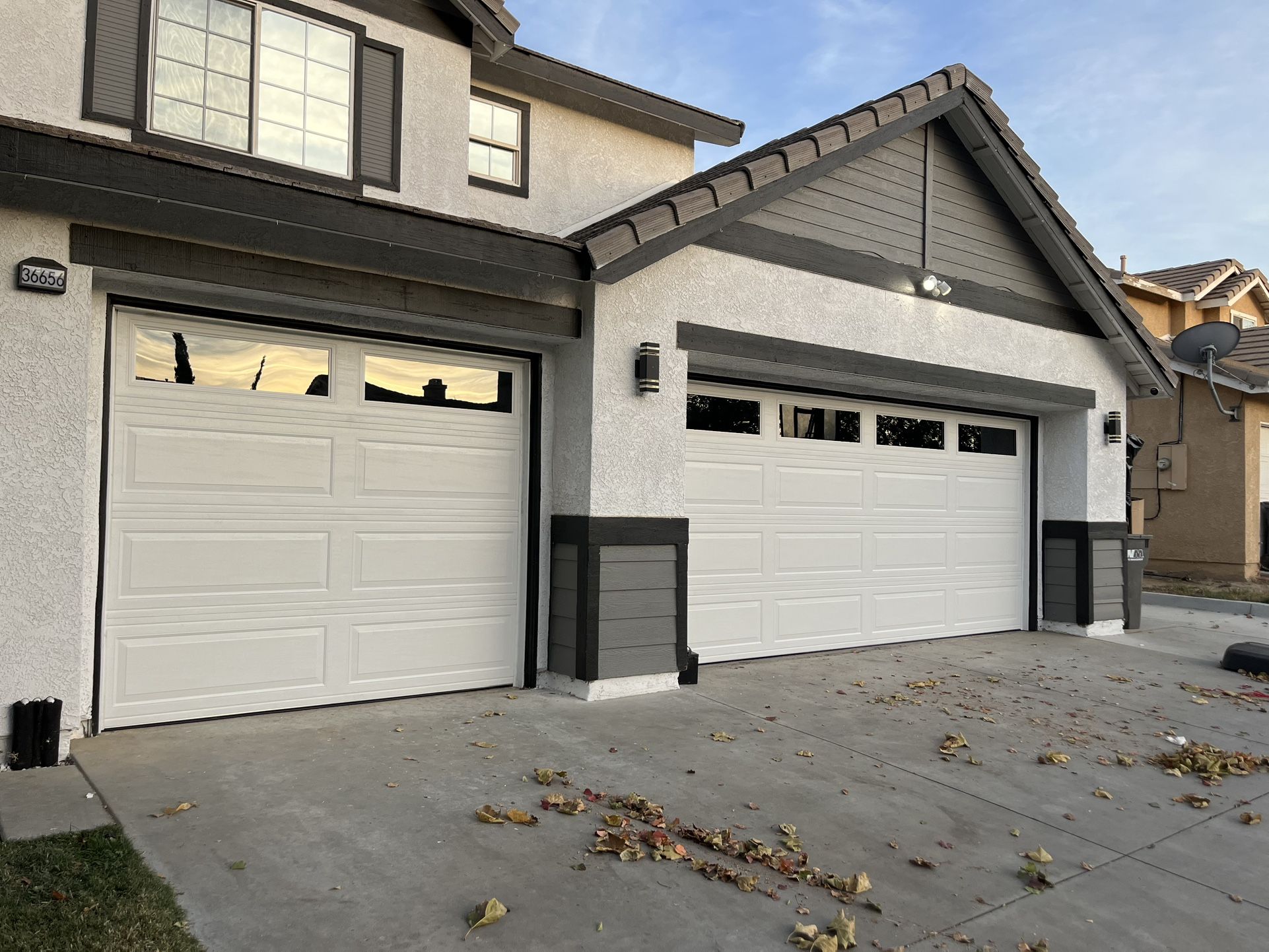
If you live in Miami, you already know what salt air does to everything outside.
Railings pit. Outdoor fixtures corrode. Car trim dulls faster. Even “stainless” hardware starts showing spots and rust stains earlier than it should.
Garage doors are no different, except the stakes are higher because a garage door is not a static surface. It is a moving system made of metal components that depend on smooth motion, tight alignment, and consistent tension. When salt exposure starts eating at those parts, the door becomes noisier, rougher, less reliable, and eventually unsafe.
That is why garage doors Miami, FL homeowners rely on often need more frequent maintenance than the same doors installed inland. Salt air accelerates wear on tracks, rollers, springs, hinges, fasteners, and even the bottom seal. The door may still open and close, but it becomes harder on the opener, more likely to bind, and more expensive to repair if ignored too long.
This guide breaks down how coastal exposure damages garage doors in Miami, what parts fail first, what warning signs to watch for, and what you can do to slow the damage, without turning upkeep into a full-time job.
Why salt air is so hard on garage doors in Miami
Salt air damage is not only “rust.” It is a chemical process that accelerates corrosion, especially when combined with Miami’s humidity.
Salt particles travel in the air, settle on surfaces, and hold moisture against metal. That moisture exposure speeds up oxidation. The result is:
- Faster corrosion on exposed hardware
- Pitting and rough surfaces that create friction
- Weakened fasteners and brackets
- Increased wear on moving parts that should glide smoothly
And because garage doors move, corrosion affects performance faster than it would on a stationary railing. You do not just see it. You hear it. You feel it. The door starts resisting, grinding, or vibrating, and then the repairs begin.
This is the core of coastal garage door damage in Miami: corrosion turns smooth motion into strain.
The parts salt air damages first
Salt exposure does not hit every part of the door equally. Some components are more vulnerable because they are thinner, under tension, or constantly moving.
Rollers and bearings
Rollers are one of the earliest failure points in coastal environments. Many rollers have small bearings that are sensitive to moisture and corrosion. When salt air gets in:
- Bearings lose smooth rotation
- Rollers start to squeal, click, or grind
- Stems can corrode and seize
- The door begins vibrating through the track
This is why many Miami garage door service calls start with noise complaints that turn out to be worn or corroded rollers.
Tracks
Tracks collect salt residue and grime over time, especially near the bottom where airflow carries debris into the system. Corroded tracks create:
- Rough friction points that “catch” rollers
- Uneven travel and vibration
- Rust flakes that worsen roller wear
- Weaker track brackets and mounting points
Once tracks start pitting and roughening, lubrication is not a solution. The surface itself becomes the problem.
Hinges and brackets
Hinges help door sections flex smoothly through movement. In a coastal environment, hinge corrosion can cause:
- Stiff movement at section joints
- Popping sounds and jerky travel
- Added stress on rollers and track
- Door sections pulling slightly out of alignment
Brackets and mounting points also corrode, and when hardware loosens, alignment issues become more common.
Springs and cables
Springs and cables are under high tension. Salt exposure can weaken them faster than homeowners expect.
- Corroded springs can lose integrity and snap sooner
- Corroded cables can fray and fail unexpectedly
- Rust at anchor points can create uneven tension
This is where garage door repairs in South Florida can become expensive quickly. Springs and cables are not only “parts.” They are safety components.
Fasteners and small hardware
Rust often starts at the smallest points: screws, bolts, and washers. That matters because these pieces hold the entire system in place.
Corroded fasteners can lead to:
- Track drift and misalignment
- Hinges loosening
- Vibration that gets worse with each cycle
- Repairs that become harder because hardware is seized
This is why coastal garage door maintenance is about catching corrosion early—before it turns into structural looseness.
Bottom seal and threshold zones
Salt and moisture collect near the garage floor, especially in rainy months. The bottom seal can degrade faster, which leads to:
- Gaps that let humid air and pests in
- Water intrusion during heavy rain
- Increased musty odours and dampness inside the garage
This often gets overlooked because homeowners focus on “metal parts,” but seals play a big role in long-term performance.
The warning signs Miami homeowners should take seriously
Salt damage rarely shows up as one dramatic failure. It shows up as small changes that people ignore until the door stops working.
Here are the most common early signs that corrosion is affecting performance:
- The door sounds louder than it used to
- Squealing, grinding, or clicking during movement
- Visible rust on hinges, rollers, or track edges
- The door shakes or vibrates through the opening
- The opener strains or the door hesitates at certain points
- Uneven movement (one side looks slightly behind the other)
- Rust streaks near hardware points or under hinges
- The door feels heavier or “stiffer” than usual
If you live in a coastal area, treat these signs as normal maintenance triggers, not “we’ll deal with it when it breaks.”
Why Miami-Dade County homes need a different mindset about garage door upkeep
Many homeowners assume garage doors are “set it and forget it” equipment. That mindset works better in dry climates.
In Miami, garage doors are exposed to:
- Salt residue year-round
- Constant humidity
- Intense sun and heat that stress seals and coatings
- Wind-driven rain that pushes moisture into joints and hardware
If you are choosing or maintaining Miami-Dade County garage doors, your plan should include periodic care, because coastal exposure will win over time if you ignore it.
How homeowners can reduce salt-related garage door damage
You cannot remove salt air from Miami. But you can slow the damage significantly with consistent, low-effort habits and smarter maintenance.
Rinse and wipe-down routine
If you are close to the coast, a simple rinse of exterior surfaces helps remove salt residue before it sits and holds moisture.
A practical routine looks like:
- Rinse the exterior door surface occasionally (especially after windy days)
- Wipe down visible hardware near the interior edges when you notice residue
- Keep the lower track area free of debris buildup
It does not need to be weekly forever. It just needs to be consistent enough to prevent salt from building layer after layer.
Keep tracks clean, not greasy
Tracks should be clean so rollers can glide smoothly.
What helps:
- Remove debris and visible rust flakes
- Keep track edges clear near the bottom corners
- Avoid heavy grease inside the track that traps grit and creates sticky buildup
A cleaner track reduces friction and extends roller life.
Upgrade vulnerable components when replacement is due
If you are already replacing parts, choose components better suited for coastal conditions. Many homeowners keep replacing the same basic rollers or hardware and wonder why problems return.
If corrosion is a recurring issue, upgrading rollers and hardware quality during a repair can reduce repeat service calls.
Check seals before the rainy season
A worn bottom seal or side seal allows moisture and salt-laden air to enter, which accelerates corrosion inside the system.
Before peak rainy months, it helps to check:
- Bottom seal contact with the floor
- Visible cracks or brittleness
- Gaps at the corners
Seal improvements are often one of the highest-impact “small fixes” you can make.
Schedule preventive service instead of emergency repairs
Salt corrosion is easier to manage early. It gets expensive when it turns into major alignment issues, seized hardware, and cable or spring failure.
A preventive Miami garage door service visit can identify:
- Early roller bearing wear
- Track mounting looseness
- Rusting fasteners before they fail
- Areas where corrosion is spreading and needs intervention
That kind of visit is cheaper than emergency calls and reduces “door won’t open” scenarios.
When corrosion becomes a repair issue, not a maintenance issue
Sometimes damage is already past the point of simple upkeep. That is usually true if you are dealing with:
- Rollers that wobble, seize, or grind
- Track sections that are pitted, warped, or dented
- Brackets that loosen repeatedly
- Cables showing rust or fraying
- Springs with heavy corrosion or visible deterioration
At that stage, you are in repair territory, and delaying it usually increases cost because worn parts strain other parts.
This is why garage door repairs in South Florida often start as a small problem and become a system problem when homeowners wait.
How Unity Windows & Doors supports Miami homeowners in coastal areas
Unity Windows & Doors understands what Florida environments do to exterior systems over time. For homeowners maintaining a Florida garage door, the goal is not only making the door open and close today. It is keeping it smooth, aligned, and safe despite salt exposure, humidity, and daily use.
Whether you need maintenance guidance, part replacement, or a deeper evaluation because corrosion has already started affecting performance, Unity Windows & Doors helps you take care of the real problem early, before it becomes the kind of failure that traps your car in the garage on a busy morning.
CTA: Stop corrosion before it turns into repeated repairs
If your door is getting louder, rougher, or showing rust on rollers, tracks, or hinges, do not wait until it binds or breaks. Book Miami garage door service with Unity Windows & Doors and get a coastal-focused inspection that targets salt-driven wear, identifies the highest-risk components, and helps your system last longer in real Miami conditions.
FAQs: Salt Air and Garage Doors in Miami
Why do garage doors Miami, FL homeowners have failed faster near the coast?
Salt particles settle on hardware and hold moisture against metal, accelerating corrosion. Because garage doors have many moving metal parts, corrosion affects performance quickly.
What is the most common coastal garage door damage in Miami?
Corroded rollers and bearings, rusting tracks, and deteriorating hinges and fasteners are among the most common problems.
Can Miami garage door service prevent corrosion from getting worse?
Yes. Preventive service helps catch early wear, clean and correct problem areas, and replace vulnerable parts before they cause major failures.
How do I know if corrosion is affecting my door’s safety?
If you see rust on cables or springs, notice uneven movement, or hear grinding and strain, those can be signs that corrosion is affecting high-tension components that require professional attention.
Do garage door repairs in South Florida cost more because of corrosion?
They can. Corrosion can seize hardware, damage multiple components at once, and create alignment problems that require more labour and replacement parts.
Are Miami-Dade County garage doors different from standard doors?
Many homes in Miami-Dade need doors appropriate for local conditions, including strength and durability considerations. Coastal exposure also increases maintenance needs regardless of door style.
What can homeowners do to reduce salt damage without constant maintenance?
Occasional rinsing to remove salt residue, keeping tracks clean, checking seals, and scheduling preventive inspections are the most practical steps.
When should I replace parts instead of constantly cleaning and lubricating?
If rollers grind, wobble, or seize, if tracks are pitted or warped, or if corrosion is spreading across hinges and fasteners, replacement is usually the smarter long-term move.
0 Comments