
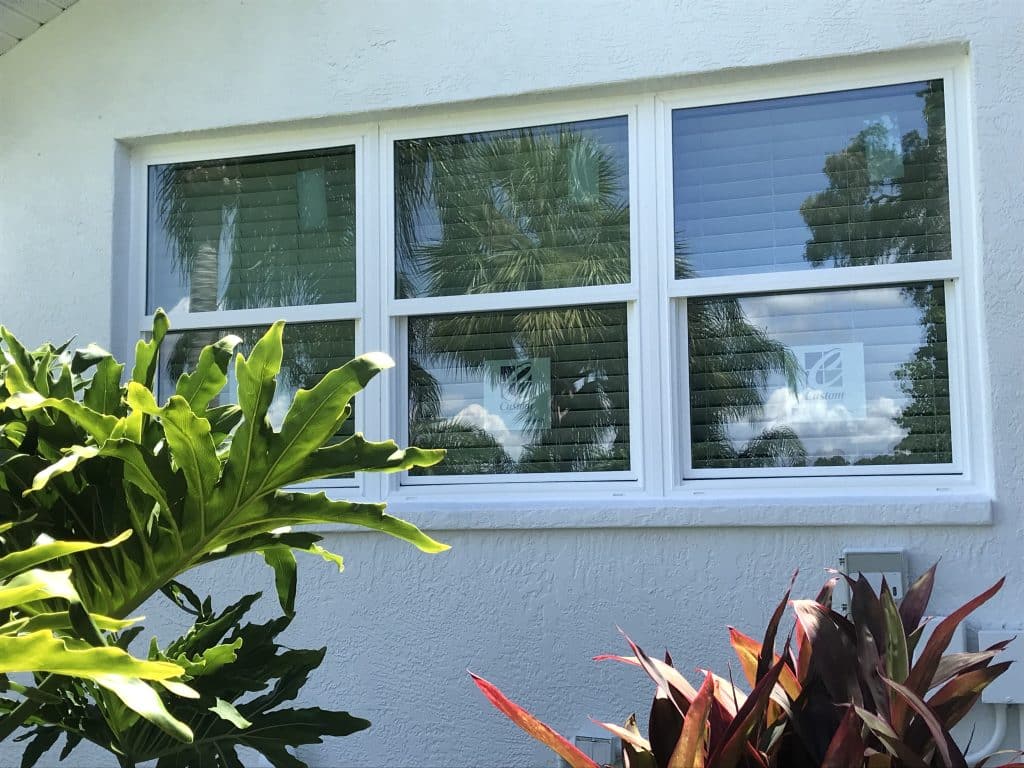
From the outside, Miami and other Florida cities can look similar: palm trees, sun, sudden rain. On paper, it is all “Florida weather.” In reality, what hits a house in Miami is more intense, more frequent, and harder on glass and frames than what many inland cities ever see.
Salt in the air, daily humidity, street noise, storms spinning up off the water, and stricter local codes all stack on top of each other. A basic window that might survive for years in Orlando or Lakeland can start sticking, fogging, or corroding much sooner in Miami.
If a home was not designed with that in mind, little issues begin to show up: frames that swell, hardware that rusts, glass that feels unsafe in high winds, and energy bills that never seem to relax. This is where Miami windows and doors need to be chosen differently.
This guide looks at why Miami is its own category, how coastal windows, hurricane window protection, and impact window systems change the game, and what that means for anyone thinking about upgrading their home.
Why Miami’s Coastal Environment Punishes Ordinary Windows
Florida in general is humid and sunny, but Miami sits much closer to the coast and feels it every day. That shows up in a few specific ways that matter for windows and doors:
Salt in the air
Salt does not only affect cars and railings. It settles on window frames, locks, hinges, and fasteners. Over time it:
- Eats into untreated metal hardware.
- Causes cheap coatings to bubble and peel.
- Makes sliding tracks rough instead of smooth.
Once corrosion starts, windows become harder to open and close. Some owners simply stop using certain windows because they stick or feel unsafe, even though the glass is still intact.
Sun and heat on exposed walls
South and west facing walls in Miami take direct sun for hours. Frames expand and contract day after day. Without the right materials, that movement leads to:
- Gaps around frames where air and water sneak in.
- Warped sashes that do not line up with locks.
- Seal failures at the edge of the glass.
Those small changes can turn into drafts, water intrusion, and fogged panes.
Storms that mix wind, rain, and debris
Thunderstorms and tropical systems in Miami send strong gusts and wind-driven rain straight into the building envelope. Standard residential glass and light frames struggle under this mix, especially when debris hits. That is where hurricane window protection stops being a “nice extra” and becomes a requirement.
Building For Impact: Why Miami Needs More Than Regular Glass
In many Florida cities, basic double-pane windows may be enough to meet code and feel safe. Miami is different. The risk profile is higher, so the expectations should be higher.
Impact window systems reduce the chance of catastrophic failure
When wind pressure climbs and debris starts flying, a conventional window is often the weak link. If it breaks, pressure can build inside the house and make roof and structural damage more likely.
By contrast, well designed impact window systems:
- Use laminated glass that holds together even when cracked.
- Include stronger frames that resist flexing and pulling away from the wall.
- Are anchored with hardware and installation methods rated for high wind zones.
Instead of shattering into pieces, an impact unit is built to stay in the opening and keep the envelope closed. That is the heart of hurricane window protection in a city like Miami.
Coastal Windows Must Resist More Than Wind
Wind is only part of the story. Long-term durability matters just as much. Good coastal windows for Miami are designed around three persistent enemies: moisture, salt, and movement.
When comparing options, key differences tend to show up in:
- Frame material: Some materials resist swelling, warping, and corrosion better in a humid, salty environment. They hold their shape and keep seals tight even after years of exposure.
- Hardware quality: Locks, hinges, handles, and fasteners need finishes and alloys that stand up to salt air. Inferior hardware can look dull, rusted, or stiff long before the glass or frame fails.
- Glazing and seals: Glass packages must be sealed and supported in a way that tolerates heat, UV, and shifting loads. When this part is done properly, Miami windows and doors are less likely to fog or lose performance as they age.
Without those details, a window may look attractive on day one and feel tired within only a few seasons near the coast.
Comfort Inside: Noise, Heat, And Everyday Use
For a Miami homeowner, safety is not the only concern. Daily comfort is just as important. Windows and doors suited to this city quietly solve problems that ordinary products ignore.
Street and neighborhood noise
In many parts of Miami, there is activity almost around the clock. Better glass and tighter seals help reduce:
- Traffic and siren noise on busy streets.
- Music and conversation from nearby buildings.
- The general city sound that makes it hard to relax or sleep.
Heat and glare control
Without thoughtful glass selection, strong sunlight can turn certain rooms into hot zones. Impact-rated units can still provide:
- Coatings that cut harsh glare while letting in natural light.
- Improved insulation that reduces heat gain and helps air conditioning keep up.
This is where Miami windows and doors solve more than one problem at a time: safer during storms, quieter on busy days, and more stable in temperature.
Why Miami Codes And Local Practices Matter
Miami-Dade and nearby coastal areas follow stricter standards than many other parts of Florida. That affects everything from design to installation.
A solid choice for this area will:
- Meet or exceed local wind load and impact requirements.
- Carry approvals specific to high-velocity hurricane zones when needed.
- Be installed by people familiar with local inspection expectations.
Cutting corners here can lead to problems that only show up when a storm test arrives in real life. Correctly specified impact window systems and hurricane window protection are not only about passing inspection. They are about avoiding last minute scrambling when storms develop.
Matching Miami Windows And Doors To The Home
Not every house needs the exact same setup. A waterfront property, a high-rise unit, and an inland neighborhood home each face slightly different pressures.
Thoughtful planning looks at:
- Orientation: Which sides take the strongest sun and wind.
- Height: How exposure changes on higher floors or open lots.
- Use: Which rooms need better noise control, privacy, or shading.
From there, the right mix of glass, frame types, and configurations turns coastal windows into a tailored solution rather than a one-size-fits-all product.
When To Reconsider Existing Windows In Miami
Many homes still rely on aging windows that were never selected with today’s conditions and codes in mind. It may be time to reassess when:
- Frames show visible corrosion, swelling, or cracks.
- Windows rattle or feel loose in their openings during storms.
- Condensation or fog appears between panes and does not clear.
- Noise and heat make certain rooms uncomfortable most of the day.
These are often signs that the original units were not built for long-term life as coastal windows in Miami, or that years in this climate have simply caught up to them.
Where To Start If Your Windows Were Not Chosen For Miami
If existing windows feel mismatched to the climate, the next step does not have to be a guess. A focused conversation around Miami windows and doors should cover safety, comfort, and longevity together, not as separate decisions.
For homeowners ready to take that step, Unity Windows & Doors can help review how the current windows are handling salt, sun, and storms, then recommend impact window systems and hurricane window protection designed for this city instead of a generic Florida address. The first move is simple: schedule a consultation, walk through the problem areas in your home, and start planning windows and doors that actually belong in Miami.
FAQs: Miami Windows And Doors For Coastal Homes
Why do Miami homes need different windows than other Florida cities?
Miami homes deal with a harsher mix of salt air, humidity, intense sun, and stronger storms than many inland cities. Over time, that combination wears out ordinary frames, hardware, and glass much faster. Properly chosen Miami windows and doors are built for this environment: they resist corrosion, handle higher wind loads, and stay sealed and functional longer than standard units.
What makes coastal windows different from regular residential windows?
Good coastal windows are designed around three constant pressures: salt, moisture, and movement. They typically use:
- Frame materials and finishes that resist swelling, warping, and corrosion.
- Hardware that is better protected against salt air and humidity.
- Glazing systems and seals that can handle repeated heat and UV without failing early.
In Miami, choosing coastal-grade windows is less about looks and more about whether they will stay safe and usable after years near the water.
How does hurricane window protection help during a major storm?
When wind speeds rise and debris starts flying, regular glass can break and open the home to pressure and water. Hurricane window protection relies on laminated, impact-rated glass and stronger frames that are designed to stay in place even when struck. The glass may crack, but it is built to hold together and keep the opening covered, which reduces the chance of roof damage, interior flooding, and dangerous flying glass.
Are impact window systems only about storms, or do they help year-round?
Impact window systems are built for storms, but the benefits show up every day. Laminated glass and tighter seals help:
- Reduce street and neighborhood noise.
- Improve insulation so rooms feel more stable in temperature.
- Block more UV, which helps protect furniture and finishes.
In a city like Miami, that means the same windows that provide hurricane window protection also make the home quieter and more comfortable on regular days.
How long do coastal windows typically last in Miami’s climate?
Lifespan depends on product quality, installation, and how exposed the home is, but well chosen coastal windows often last significantly longer than basic residential units. Frames that resist rust and swelling, hardware built for salt air, and durable glazing systems all extend service life. Poor quality windows can start sticking, fogging, or corroding in just a few years near the coast, which is why many homeowners upgrade to proper Miami windows and doors when they renovate.
Do I still need shutters if I install impact window systems?
In many cases, properly rated impact window systems are designed to meet or exceed code requirements that used to be filled with shutters alone. Some homeowners still choose extra protection on certain openings, but the core idea of impact glass is to remove the need for putting up panels every time a storm is forecast. A local professional can confirm what level of hurricane window protection is required for your specific property and code zone.
How can I tell if my current windows are not suited for Miami’s coastal environment?
Warning signs often include:
- Corroded or pitted hardware, especially on locks and hinges.
- Frames that stick, swell, or no longer close smoothly.
- Condensation or fog trapped between panes that never clears.
- Drafts or water intrusion around frames during heavy rain.
If more than one of these is showing up, it is usually a sign that the existing units were not chosen as true coastal windows or that they have reached the end of their useful life in this climate.
Will Miami windows and doors really help with energy bills, or is it mainly about storms?
Upgraded Miami windows and doors are designed to handle storms, but they also improve comfort and efficiency. Better glass coatings, insulated frames, and tighter seals reduce heat gain, cut drafts, and keep air conditioning from working as hard. In a hot, humid market like Miami, those improvements can make a noticeable difference in both comfort and energy use.
What should I look for when comparing impact window systems for my home?
When comparing impact window systems, it helps to look beyond basic style and price. Pay attention to:
- The specific impact and wind-load ratings for your code area.
- Frame material and finish designed for a coastal environment.
- Hardware quality and how it is protected from salt air.
- Installation methods and anchoring details, not just the glass.
A strong product installed poorly will not give the level of hurricane window protection you are paying for, so both the window and the installer matter.
How can Unity Windows & Doors help me choose the right Miami windows and doors?
Unity Windows & Doors focuses on products made for coastal South Florida, not just generic “Florida” conditions. That means helping homeowners pick coastal windows and impact window systems that match local codes, exposure, and everyday comfort needs. A consult can walk through problem rooms, review how current windows are performing, and lay out options that provide real hurricane window protection while also improving daily life inside the home.