
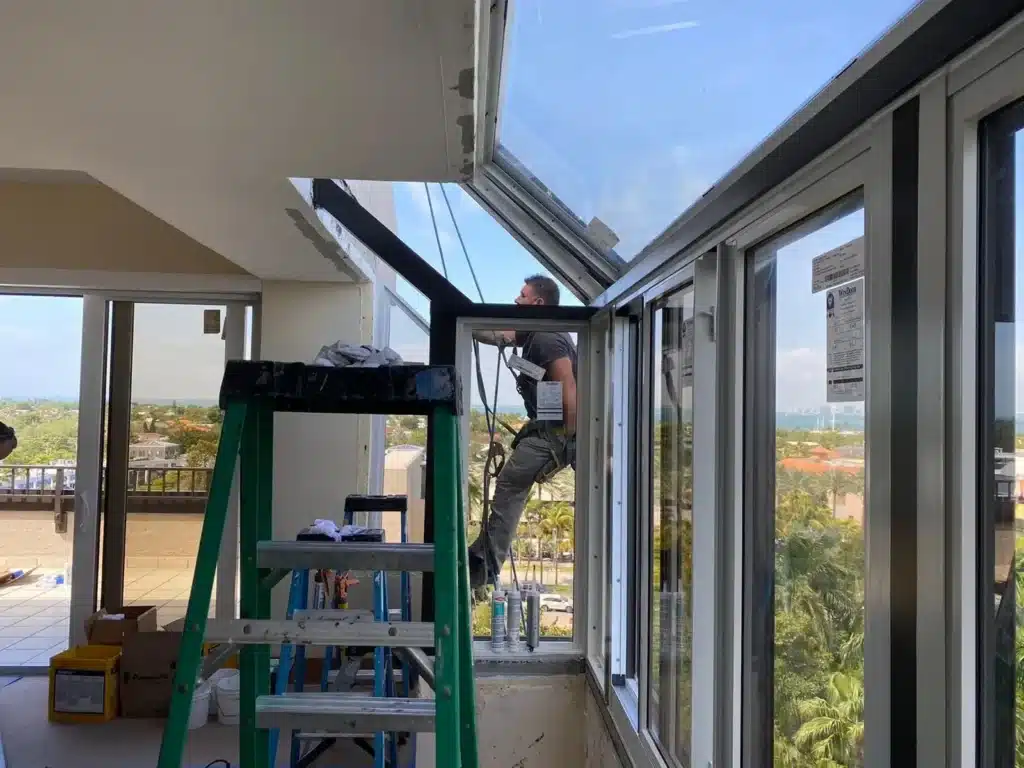
A lot of homeowners do not delay impact window installation in Miami, FL because they doubt the value.
They delay because the process feels unclear.
They know impact windows matter in South Florida. They know older windows may be underperforming. They know they want better storm protection, better comfort, or a cleaner upgrade. But they are not sure what happens after they say yes. Do permits come first? How long do measurements take? What does Miami-Dade need? When does installation actually happen? What gets inspected?
That uncertainty stops a lot of mid-funnel buyers.
The good news is that the process is much more structured than it feels from the outside. Miami-Dade’s own permit guidance for windows and glass doors lays out the required application items, including elevations showing replaced openings and the product approval numbers for the windows and doors being installed.
So the best way to make this feel manageable is to walk through it step by step.
Step One: The Consultation And Home Review
The process usually starts with a consultation, not a permit.
This is where the homeowner and the company look at:
- which windows are being replaced
- what condition the existing windows are in
- whether the home has any unusual opening sizes or configurations
- what style, frame, and glass options make sense
- whether the project is a full-home replacement or a phased one
This is also where a good impact window installer in Miami, FL should start setting expectations clearly. Not only about the product, but about the process. A homeowner should leave this stage understanding what is being replaced, what kind of product approvals will be needed, and whether the project is straightforward or likely to need extra coordination.
Step Two: Product Selection And Opening Schedule
Once the project starts moving, the next step is usually narrowing down the actual products.
In Miami, this matters more than people think because it is not enough for a window to simply look right. The product has to be appropriate for the opening and supported by approved documentation. Miami-Dade’s windows-and-doors permit page requires the product approval numbers from either Miami-Dade County or the Florida Building Commission for each window or glass door being replaced.
That means the project team is usually building an opening schedule that identifies:
- where each new unit goes
- the size of each opening
- the type of window in each location
- the related approval number for each installed product
This is one reason homeowners should not think of the job as “just ordering windows.” In Miami, there is a paperwork and compliance side to the selection process too.
Step Three: Precise Measurement
This is the stage where the rough idea becomes an actual project.
Once the product direction is set, detailed measurements are taken for each opening. This is not only about getting the glass size right. It is about making sure the installed unit, anchorage, and approved product match the opening conditions properly.
That is especially important because product approvals and installation instructions are tied to specific conditions of use. Florida window-and-door mitigation guidance says impact-resistant components must be installed in accordance with the manufacturer’s installation instructions and the applicable product approval. It also says those instructions must be available on the job site for inspection personnel.
So the measuring stage is not a formality. It is one of the parts that helps the installation and permitting line up correctly later.
Step Four: Permit Preparation
This is usually the point where homeowners start feeling intimidated, but it is actually one of the clearest parts of the process.
For replaced windows and glass doors in Miami-Dade, the permit package typically needs:
- a completed building permit application
- a contact sheet
- elevations showing each exterior wall where windows or glass doors are being replaced
- the approximate location of each replaced opening
- the sizes of the windows or doors
- the relevant Miami-Dade or Florida product approval numbers.
Miami-Dade also provides a separate window-and-door legend document that calls for identifying component groups and including the Florida Product Approval or Miami-Dade NOA number and pressure ratings.
This is where the project stops being a sales conversation and becomes a documented installation package.
Step Five: Permit Submission And Approval
After the permit package is assembled, it gets submitted for approval.
Miami-Dade’s building process requires permits for this category of exterior work, and its building portal and permit resources are where that review process lives.
This stage is often where homeowners feel like “nothing is happening,” because the project becomes administrative for a bit. But this is normal. The installer or contractor is usually:
- coordinating the permit package
- making sure product approvals line up
- responding if anything needs clarification
- waiting for the permit to be issued before installation begins
This is one of the most important parts of the hurricane window installation process in Florida. It is not glamorous, but it is what keeps the job compliant.
Step Six: Ordering And Scheduling
After permit approval, the products are finalized and the installation schedule gets tighter.
The exact timeline here depends on:
- the manufacturer
- whether the units are standard or more customized
- how many openings are involved
- and whether there are any special mullions, glass-door combinations, or unusual opening conditions
From the homeowner’s perspective, this is usually the waiting stage. But once the windows are ordered and the permit is active, the project is finally moving from planning into execution.
Step Seven: Site Preparation Before Installation Day
Before the crew starts pulling out windows, the home has to be prepared.
That usually means:
- clearing access around the openings
- protecting nearby furniture and flooring
- confirming where the crew will enter and stage materials
- making sure the approved plans and permit information are available on site for inspection purposes
Miami-Dade’s inspections page says the approved and stamped plans and permit card must be at the construction site, with the address properly posted and visible.
This is another place where a good installer reduces friction. The homeowner should know what needs to be moved, what day work starts, and what level of disruption to expect.
Step Eight: Removal Of Existing Windows
Installation day usually begins with removing the existing windows opening by opening.
This is the point where homeowners often worry most about mess, wall damage, and how long the house will be exposed. In reality, experienced crews usually work in a sequence designed to keep the project controlled and to move from removal to setting the new unit as efficiently as possible.
The exact approach depends on the home and the window type, but the general goal is:
- remove the old unit carefully
- inspect the opening
- prepare it for the new unit
- then install the replacement in line with the approved product and installation instructions
Step Nine: Setting The New Units
This is the heart of the actual install.
The replacement window is positioned, anchored, and installed according to the approved product instructions and the conditions tied to the product approval. Florida mitigation guidance is very clear that impact-resistant products must be installed according to the manufacturer’s installation instructions and product approval.
This matters because impact performance is not only about the glass. It is about:
- the frame
- the anchors
- the opening condition
- the installation method
- and the approved assembly working together
So when homeowners think about impact window installation in Miami, FL, this is the stage where installation quality really matters.
Step Ten: Buck And Fastener Inspection
This is one of the most useful things for homeowners to understand ahead of time because it often surprises people.
Miami-Dade’s window-and-door disclosure statement explains that this permit type requires a 102 Buck and Fastener inspection for windows when all windows are installed but before the interior frame perimeter is caulked, sealed, or finished.
That means there is often a deliberate pause in the process.
The windows may be in place, but the job is not visually “finished” yet because the inspection has to happen before the crew closes up and finishes those areas. This is a normal part of the process, not a sign something went wrong.
For homeowners, this is one of the biggest friction reducers: knowing in advance that “installed” and “fully finished” may not happen in one single uninterrupted step.
Step Eleven: Finishing And Sealing
Once the required inspection stage is cleared, the finishing work continues.
That usually includes:
- Sealing the perimeter
- Interior finishing around the frame
- Exterior cleanup and final detailing
- Making sure the window operation is correct
- Checking hardware and locking function
This is the part where the project starts to look complete from the homeowner’s perspective.
Step Twelve: Final Inspection And Close-Out
After installation and required finish work are completed, the project moves toward final sign-off.
Miami-Dade’s inspection process is part of the overall building permit workflow, and the project is not really complete just because the crew has finished installing the windows. It is complete when the permitted work has gone through the required inspection process and is finalized accordingly.
This is another reason homeowners should think in terms of project completion, not only installation day.
What Homeowners Usually Worry About Most
Most of the hesitation around this project comes down to a few fears:
- “I do not know what happens first.”
- “I do not know what Miami-Dade needs.”
- “I do not know how disruptive the install will be.”
- “I do not know when the permit and inspections will happen.”
- “I do not want to commit to something that feels confusing.”
That is exactly why understanding the full process helps. Once you can see the sequence, it stops feeling like a black box.
Where Impact Window Cost Fits In
A lot of homeowners also want to understand impact window cost in Miami, FL before they commit. That is fair, but it helps to remember that the final cost is not just the glass itself.
It often reflects:
- the product category
- opening size and shape
- home layout
- permit preparation
- installation labor
- inspection coordination
- and the overall scope of the project
That is why two homes can both need impact windows and still land at very different numbers.
The Process Is More Structured Than It Feels
The best way to think about impact window installation in Miami, FL is not as one giant leap. It is a sequence:
consultation,
selection,
measurement,
permit prep,
permit approval,
ordering,
installation,
inspection,
finishing,
final close-out.
Once you understand that flow, the project feels much less mysterious and much easier to move forward with.
A Clearer Path From Quote To Completion
If you are considering impact windows but have been delaying because the process feels unknown, that hesitation is understandable. The good news is that the process is not guesswork when the project is handled properly.
Unity Windows & Doors can help you move through each stage of impact window installation in Miami, FL with a clearer plan, the right permit documentation, and a process that makes the job feel more organized from consultation to final inspection.
FAQs
Do I Need A Permit For Impact Window Installation In Miami, FL?
Yes. Miami-Dade requires permits for window and glass-door replacement work, and the county’s permit guidance lists the required application documents and opening information.
What Does Miami-Dade Permit Impact Windows Usually Require?
It typically requires a completed permit application, contact sheet, elevations showing replaced openings, opening sizes, and the applicable Miami-Dade or Florida product approval numbers for each window or glass door being replaced.
Why Do Product Approval Numbers Matter So Much?
Because the installed windows must match approved products suitable for the opening and code requirements. Miami-Dade specifically asks for those approval numbers as part of the permit process.
What Does An Impact Window Installer In Miami, FL Usually Do First?
The process usually starts with a consultation, review of the home, product discussion, and detailed measurement before permit documents are prepared.
What Is The Hurricane Window Installation Process In Florida Really Like?
In practical terms, it usually moves from consultation and measurement to permit preparation, permit approval, product ordering, installation, required inspection steps, finishing work, and final close-out. Florida guidance also requires installation to follow manufacturer instructions and product approvals.
What Is The 102 Buck And Fastener Inspection?
Miami-Dade’s disclosure document says this permit type requires a 102 Buck and Fastener inspection for windows when the windows are installed but before the interior frame perimeter is caulked, sealed, or finished.
Why Might The Windows Be Installed But Not Finished Yet?
Because the required inspection may need to happen before the crew closes up and seals certain parts of the opening. That is a normal part of the process in Miami-Dade, not a mistake.
What Should Be At The Job Site During Inspection?
Miami-Dade says the approved and stamped plans and permit card must be at the construction site, and the address must be properly posted and visible.
Does Impact Window Cost In Miami, FL Include More Than The Window Itself?
Yes. Cost usually reflects the product, measurements, permit coordination, installation labor, inspection stages, and the overall complexity of the project.
When Is The Project Actually Finished?
The project is typically considered complete after installation is done and the required inspection and permit close-out process has been completed.