
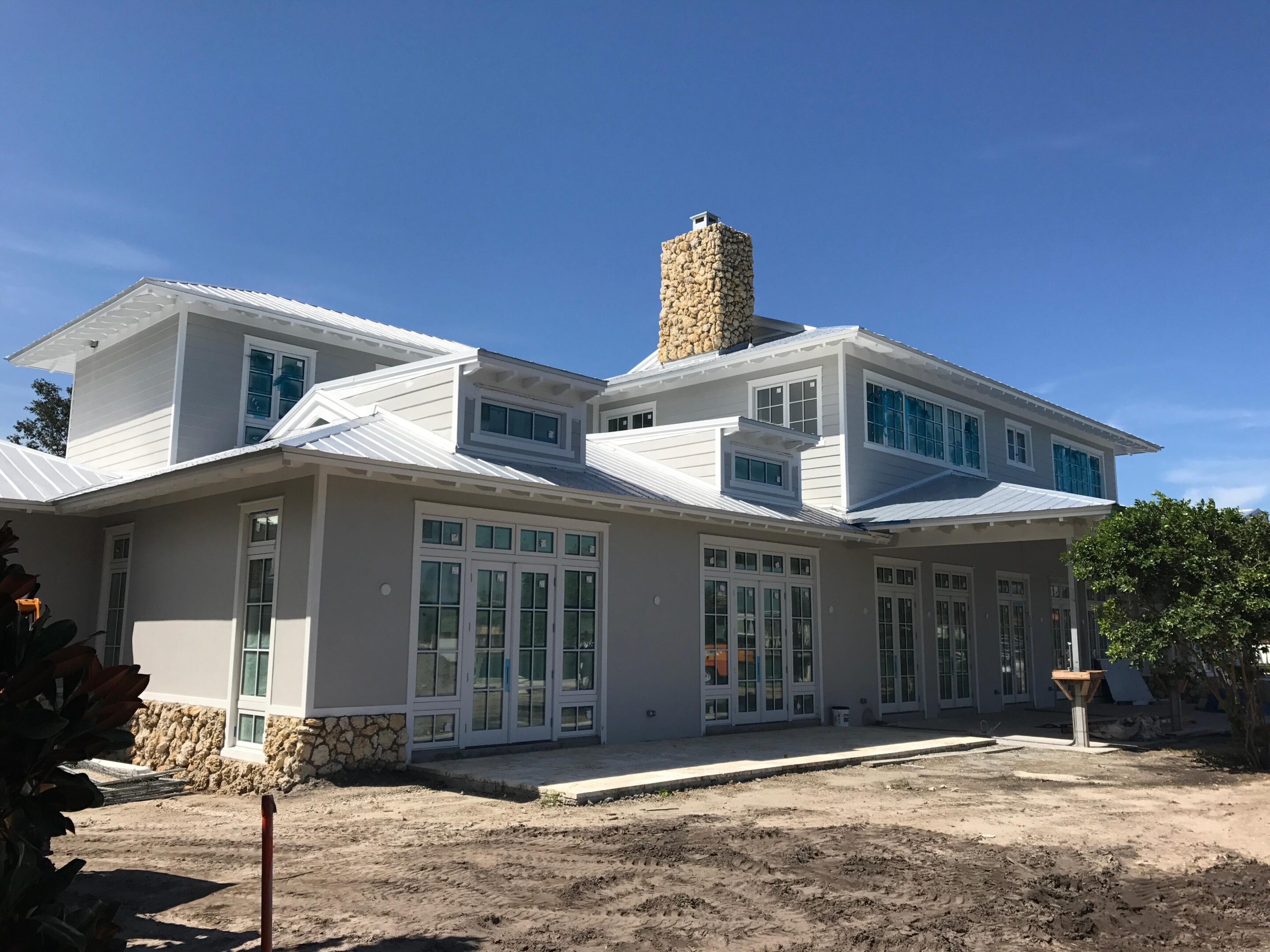
The Silent Roof Destroyer Most Miami Homeowners Overlook
When people think about Miami’s climate, they think of warm breezes, sunny weather, and long beach days. What they rarely think about is the effect that constant humidity has on the parts of their home they never really see. Your roof is one of those things. It sits there day after day, taking in heat, sunlight, salt air, storms, and thick moisture that never really leaves the air.
Humidity is quiet. You do not hear it the way you hear strong winds or heavy rain. Yet it causes slow, steady damage that builds up until one day you notice stains on the ceiling, small leaks, roof mold, or shingles curling out of nowhere. That is exactly why homeowners need to understand how humidity eats away at roofing materials and how simple prevention can save thousands.
This guide shows what humidity does to roofs in Miami and how proper roof maintenance, which Miami homeowners rely on, keeps problems from becoming expensive surprises.
How Miami’s Humidity Breaks Down Roofing Materials Over Time
Miami is known for its tropical climate. That means moisture is always in the air, even when the skies are clear. This constant moisture weakens a roof in multiple ways, and most effects happen so slowly that homeowners barely notice until the problem is advanced.
Moisture trapped under shingles
Humidity seeps underneath roofing materials and settles there. Trapped moisture slowly softens the layers that protect your home. Once the underlayment becomes weak, shingles begin to lift or warp, making the roof vulnerable to leaks during storms.
Rust developing on nails and flashing
Metal parts of a roof, such as nails, screws, and flashing, react to moisture. When humidity is high every single day, these components begin to rust. Rusted flashing allows water to slip into areas that were originally sealed.
Faster aging of roof surfaces
Roofs in dry climates age slowly because materials stay firm. Miami’s humidity keeps surfaces damp for long periods, accelerating breakdown. A roof expected to last twenty or thirty years in a different climate might wear out much sooner here without proper care.
Heat combined with moisture
The combination of humidity and Miami heat speeds up deterioration. Shingles expand and contract more frequently, making them crack or loosen. Once roofing materials begin to shift, small openings allow water to enter and create roof leaks that Miami residents deal with every rainy season.
Why Humidity Makes Roof Mold Prevention a Year-Round Priority
Roof mold develops much faster in Miami compared to other states. This is not simply cosmetic. Mold spreads across shingles, weakens roofing materials, and eventually works its way into the attic.
How mold forms so easily
Warm temperatures plus trapped moisture create the perfect environment for mold to grow. Humidity keeps shingles damp long after it rains. Leaves, fallen branches, and dirt that collect on the roof trap even more moisture, allowing mold to multiply.
Why mold matters more than people think
Mold is extremely persistent. Once it settles into a roof surface, it feeds on the material itself. Over time, it creates soft spots, discolors shingles, and increases the risk of leaks. If mold enters the attic, it affects insulation, wood framing, and indoor air quality.
Preventing mold before it spreads
Roof mold prevention starts with good ventilation and regular cleaning. When heat and moisture escape properly, shingles stay drier and last longer. Removing debris from the roof and clearing gutters also keeps moisture from sitting where mold thrives.
How Humidity Leads to Roof Leaks Miami Homeowners Often Miss
Many leaks start small. Homeowners do not always see water dripping immediately. Sometimes humidity causes early-stage damage that goes unnoticed until heavy rain exposes the weak spot.
Small cracks that widen with time
Humidity causes shingles to swell slightly. When the sun dries them, they contract. Repeated swelling and shrinking create fine cracks that eventually widen enough for water to enter.
Moisture dripping into insulation
Once water enters through cracked shingles or rusted nails, it settles inside insulation. The wet insulation holds moisture for long periods, causing hidden mold growth and slow wood rot under the roof decking.
Ceiling stains forming weeks later
A stain on the ceiling is usually the last stage of a problem. By the time a stain becomes visible, humidity and rainfall have already traveled through multiple layers of roofing.
Why Ventilation Is the Key to Fighting Humidity Damage
Miami homeowners often overlook ventilation because it is not something they see. Yet it is one of the most powerful tools to prevent humidity damage.
How ventilation protects your roof
Proper ventilation allows heat and moisture to escape from the attic. When air circulates correctly, the underside of the roof stays dry, which reduces the chances of mold, rot, and material breakdown.
Signs of poor ventilation
- The attic feels extremely hot even during cooler evenings
- A musty smell develops
- Roofing nails show rust
- Shingles age faster than expected
Fixing ventilation early saves a roof from long-term humidity damage.
The Role of Regular Inspections in Preventing Humidity Damage
A roof rarely fails without early warning signs. Professional inspections catch small issues before humidity makes them worse.
A thorough roof maintenance Miami inspection includes:
- Checking shingles for soft spots or warping
- Identifying early mold patches
- Examining flashing for rust
- Inspecting attic insulation for trapped moisture
- Checking ventilation flow
- Clearing debris from gutters and roof edges
Routine care gives homeowners a chance to solve problems while they are still inexpensive.
Cleaning Habits That Help Reduce Humidity Damage
Miami’s climate guarantees moisture will be part of your home environment. Cleaning your roof regularly reduces the amount of damage humidity can cause.
Helpful cleaning habits include:
- Removing fallen leaves and debris
- Washing away mold and algae before they spread
- Keeping gutters clear so water drains properly
- Cutting tree branches that drop debris onto the roof
Cleaner roofs dry faster, stay stronger, and resist long-term humidity damage.
Strengthen Your Home Against Miami’s Climate
Partner With Unity Windows & Doors for Long-Term Protection
Your roof works hard every day in Miami’s challenging climate. If humidity is already causing early damage or if you want to prevent costly repairs, the best step is to work with professionals who understand local weather and how it affects every part of a home.
Unity Windows & Doors helps Miami homeowners protect their property by offering expert evaluations, weather protection solutions, and guidance that strengthens your home against moisture, heat, and storms. When you want long-lasting durability and fewer surprises, their team provides support you can count on.
Reach out to Unity Windows & Doors to schedule an inspection and keep your home ready for Miami’s climate year after year.
Frequently Asked Questions About Roof Maintenance Miami Homes Need
1. How often should I schedule roof maintenance in Miami?
Because of Miami’s heat, humidity, and frequent storms, homeowners benefit from a twice-a-year roof maintenance Miami schedule. One inspection before hurricane season and one after heavy weather ensures any small issues are caught early. Regular professional checks help prevent hidden moisture pockets, loosened shingles, and early structural wear caused by constant exposure to coastal conditions.
2. What causes most roof leaks in Miami homes?
Most roof leaks Miami homeowners experience come from small problems that escalate slowly. Cracked sealant, missing shingles, clogged gutters, or worn flashing can let water slip underneath the roof surface. Humidity makes these issues worse because moisture stays trapped longer, giving it more time to seep into the structure. Routine maintenance prevents these weak points from developing into expensive leaks.
3. How does humidity cause roof damage in Miami?
Humidity damage to the roof shows up when warm, moist air settles within roofing layers. Over time, this moisture weakens wood decking, causes warping, and encourages mold. Miami’s climate creates a perfect environment for moisture to become trapped, especially if the attic is not properly ventilated. Regular inspections help ensure water has no place to hide inside your roofing system.
4. What signs show that my roof may have mold?
Homeowners usually notice dark streaks, soft spots, or a musty smell when mold has begun to form. Roof mold prevention depends on catching these early. In Miami, mold can grow faster than expected due to the constant humidity. Once mold appears, it spreads through porous materials, damaging insulation and wood. Professional cleaning and sealing are needed to stop the spread.
5. Why do Miami roofs wear out faster than roofs in other cities?
Miami roofs face year-round UV exposure, salt carried by coastal winds, and sudden heavy rainfall. These conditions cause shingles to age sooner, weaken adhesives, and break down protective coatings. That is why roof maintenance for Miami homes is not optional. It is the only way to protect roofing systems from this constant environmental strain.
6. Can regular maintenance really prevent costly repairs?
Yes. Most major roofing problems begin as minor, fixable issues. A loose shingle or tiny gap may not seem important, but once moisture slips in, repairs become far more expensive. Roof mold prevention, structural protection, and leak avoidance all depend on early detection. Most homeowners save thousands by scheduling regular inspections.
7. What should be included in a professional Miami roof inspection?
A proper inspection should include a full surface check, evaluation of flashing, gutter cleaning, sealant review, ventilation assessment, and moisture scanning. Professionals also check for early signs of roof leaks that Miami residents often miss, such as soft decking or hidden mold growth. This thorough process ensures the roof can handle coastal weather conditions.
8. How can I prevent humidity damage inside my attic?
Ventilation is key. Miami attics trap heat and moisture, which accelerates roof deterioration. Adding proper vents, improving airflow, and sealing gaps all help reduce roof damage from humidity. Dehumidifiers can also help stabilize attic moisture levels during peak summer months.
9. What should I do if I notice a small leak?
Do not ignore it. Even a small leak can become a serious structural problem within weeks. Contact a roofing specialist immediately to prevent mold, damaged insulation, and wood rot. Miami homeowners often underestimate how quickly moisture spreads because humidity keeps everything damp longer than in dry climates.
10. How can Unity Windows & Doors help protect my roof and home?
Unity Windows & Doors specializes in exterior upgrades that strengthen your home. While they do not replace roofing contractors, they help reduce roof mold prevention concerns by sealing moisture entry points. Their hurricane-ready doors and impact windows block water intrusion during storms, which protects the areas most vulnerable to leaks. When combined with regular roof maintenance and Miami inspections, their products help create a tighter, safer, more moisture-resistant home.