
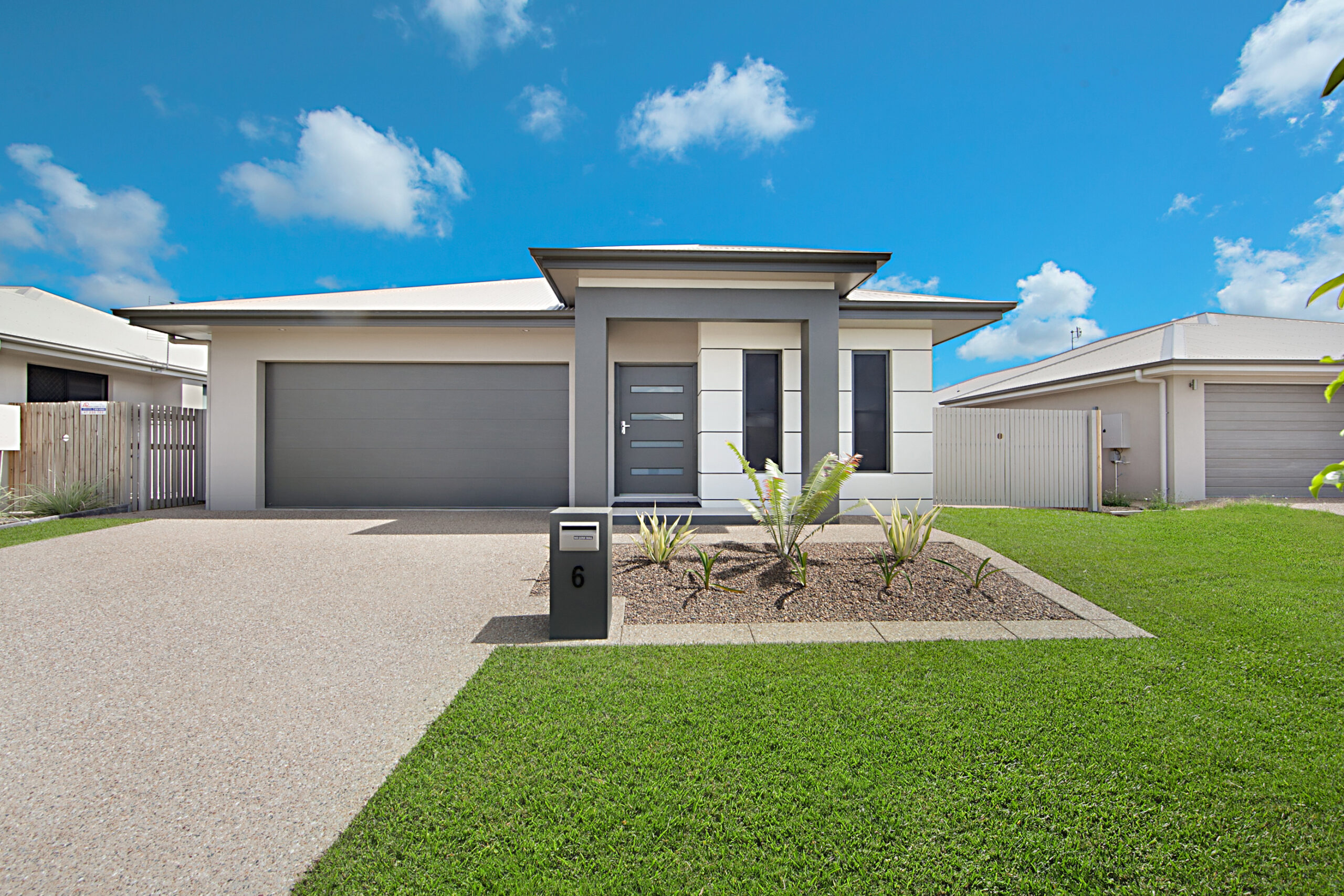
In Miami, your garage is rarely just a place to park.
It is a storage zone, a laundry area, a workshop, a home gym, sometimes even the space you walk through every single day. And because it is attached to the house in many properties, what happens in the garage affects the rooms next to it more than homeowners realize.
That is why garage doors in Miami, FL play a bigger role in comfort and energy use than most people think. A garage door is one of the largest openings on the exterior of the home. If it leaks air, traps heat, or allows humidity to flood in, your cooling system works harder, and you feel it in adjacent rooms.
This guide breaks down how garage door design influences energy efficiency in Miami homes, what features actually matter in South Florida conditions, and what to ask during garage door installation in Miami so you get a door that performs, not only looks good.
Why energy efficiency is harder in Miami garages
Miami homes deal with three constant energy pressures:
- Heat gain from sun exposure, especially on west- and south-facing garages
- Humidity infiltration, which makes indoor air feel heavier and forces AC systems to remove moisture
- Temperature swing, when a hot garage radiates heat into adjacent living spaces
Even if you do not air-condition your garage, a hotter garage can still raise the temperature of the rooms connected to it. That can mean:
- Bedrooms above the garage staying warmer
- Kitchens or hallways near the garage feeling “off”
- AC cycles running longer
- Increased condensation risk in certain areas
So when homeowners upgrade garage doors in Miami, Florida, energy performance should be part of the conversation, not an afterthought.
The design features that matter most for energy efficiency
Not every “nice” garage door helps with energy efficiency. In Miami, the best performance comes from how the door is built and sealed, not only what it looks like on the outside.
Insulation level and construction type
Insulation is the obvious one, but how it is integrated matters.
Common door constructions include:
- Non-insulated single-layer steel: often the weakest for heat control
- Insulated steel-backed: better heat resistance and durability
- Sandwich construction: insulation between steel layers, typically the strongest for thermal performance and rigidity
A well-insulated door helps reduce heat transfer into the garage, which reduces heat radiating into the home. It also helps stabilize temperature fluctuations that make adjacent rooms harder to keep comfortable.
If you are planning a new garage door installation in Miami, ask what insulation type and construction is recommended for your exposure and usage. It should be based on your home, not a generic suggestion.
Surface color and sun exposure
In Miami, colour is not only aesthetic. Darker doors absorb more heat. Lighter colours reflect more. If your garage door gets direct afternoon sun, the colour choice can affect how hot the door surface becomes, which affects the heat inside the garage.
This does not mean you cannot choose a dark door. It means you should be more intentional about insulation and sealing if you do.
Window layout and glass type
Garage door windows look great, but in Miami, glass can increase heat gain if it is not designed well.
If you want windows, what matters is:
- How many panes and how large
- Whether the glass is designed for glare and heat reduction
- How the window framing seals to prevent air leakage
If the garage faces direct sun, a large glass panel can create unwanted heat buildup inside the garage. It can still be done beautifully, but it needs the right approach for your home’s orientation.
Weatherstripping and perimeter sealing
This is where many doors fail energy-wise—even expensive ones.
A door can be insulated but still leak hot, humid air if the seals are weak.
Key sealing zones include:
- Bottom seal (where water and air can creep in)
- Side seals (especially on older openings that are not perfectly square)
- Top seal (often overlooked, but critical for air leakage)
- Between door sections (if section joints are not sealing properly)
Strong seals help prevent humid air from entering, which matters for comfort, stored items, and overall air behaviour near the garage entry into the home.
This is a big part of why Miami garage door service should include seal inspection and replacement as part of keeping the door performing properly over time.
Door thickness and panel rigidity
Energy efficiency is not just about insulation. A flimsy door flexes. Flexing creates gaps. Gaps create air leakage.
A more rigid door:
- Seals better along the perimeter
- Holds alignment longer
- Reduces vibration that loosens hardware
- Performs more consistently under pressure differences
In Miami, rigidity is also tied to how the door holds up in storms and high winds, which indirectly affects how well it keeps your home protected and stable.
Energy efficiency is not only the door, installation quality changes everything
You can choose the right door and still get poor energy performance if the installation is rushed.
Common install issues that hurt efficiency include:
- Uneven track alignment that prevents a full seal when the door closes
- Gaps at the top corners because the opening was not corrected
- Old or low-quality weatherstripping reused
- Bottom seal not contacting the floor evenly
- Opener settings that stop the door short of full closure
This is why the installer matters as much as the door. A well-installed door closes firmly, seals consistently, and holds alignment longer.
If you are hiring for garage door installation in Miami, look for clear standards, not vague “we’ll make it work” language.
How an inefficient garage door shows up inside your home
Many homeowners do not connect indoor comfort issues to the garage door until someone points it out.
Here are the most common signs:
- The room above the garage stays warmer than the rest of the house
- Hallway or laundry areas near the garage feel humid
- The door from the garage to the house feels warm to the touch
- You notice musty odors or moisture issues in the garage
- Stored items warp, rust, or feel damp
- Your AC runs longer than expected during peak heat hours
These issues do not always mean the garage door is the only culprit, but in Miami homes, it is often one of the major contributors.
Practical design choices that improve comfort and reduce energy strain
If you want a door that performs well in Miami conditions, focus on comfort-driven design.
These choices typically make the biggest difference:
- Insulated door construction that matches your sun exposure
- Strong perimeter seals and a proper bottom seal
- A design that maintains rigidity and alignment
- Window choices that do not turn the garage into a greenhouse
- Regular maintenance so seals and alignment do not degrade
When these factors are handled correctly, garage doors in Miami, FL stop acting like a heat and humidity funnel and start supporting a more stable, comfortable home.
How Unity Windows & Doors helps Miami homeowners choose better garage doors
Unity Windows & Doors helps homeowners choose upgrades that fit South Florida reality. That means design decisions are guided by function, durability, and long-term performance, not only exterior style.
If you are upgrading garage doors in Miami, Florida or planning a new installation, Unity Windows & Doors can walk you through insulation, sealing, window design, and the details that influence energy comfort in the rooms connected to your garage, so the upgrade improves daily life, not only curb appeal.
Choose a garage door that keeps heat out, not one that just looks good
If your garage runs hot, humid, or makes nearby rooms harder to cool, your door design and sealing may be the missing piece. Reach out to Unity Windows & Doors for Miami garage door service or installation guidance, and get a door setup that fits Miami conditions, supports comfort, and holds up long-term.
FAQs: Energy Efficiency and Garage Doors in Miami
Do insulated garage doors make a difference in Miami homes?
Yes. Insulated doors reduce heat transfer into the garage and help stabilize temperature swings. That can improve comfort in rooms adjacent to or above the garage.
Are garage doors in Miami, FL a common source of humidity entering the home?
They can be, especially when weatherstripping is worn or gaps exist around the perimeter. Proper seals help limit humid air infiltration.
Does garage door colour affect energy efficiency?
It can. Dark colours absorb more heat in direct sun. If your garage gets heavy afternoon sun, insulation and sealing become even more important.
Do windows in a garage door increase heat gain?
They can, depending on orientation, window size, and glass type. Windows can be done well in Miami, but the design should account for sun exposure.
Why does installation quality matter for energy efficiency?
Poor alignment or gaps prevent the door from sealing properly, allowing hot and humid air to enter. Even a good door can underperform if installation is rushed.
How often should I schedule Miami garage door service for maintenance?
Annual inspections are a good baseline for most homes. If your door is used heavily or you live near coastal salt exposure, more frequent checks may help.
What’s the biggest energy-related mistake homeowners make with garage doors in Miami, Florida?
Choosing based on appearance alone while ignoring insulation, sealing, and installation standards. Those are the factors that most affect comfort and performance.
Can replacing a garage door reduce AC strain?
It can, especially if the current door is uninsulated or poorly sealed and your garage shares walls or ceilings with living spaces. A better door can reduce heat transfer and improve indoor comfort.
0 Comments