
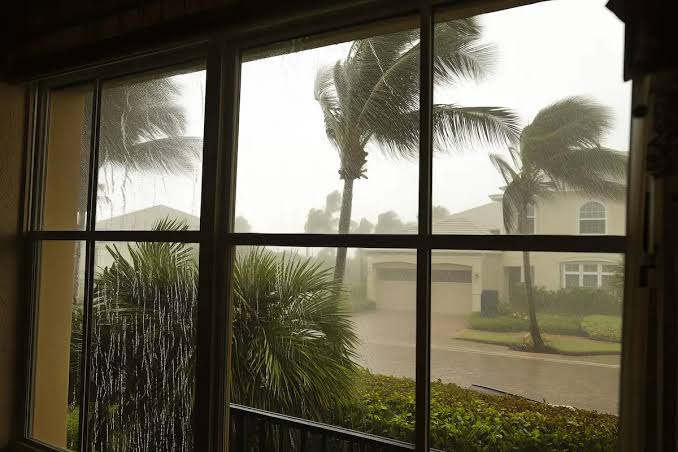
For Miami homeowners, impact windows come up in almost every conversation about home improvement. They are required under the Florida Building Code for new construction in the High Velocity Hurricane Zone, they appear in insurance paperwork, and they show up in nearly every real estate listing as a selling point. But beyond satisfying a code requirement, what do they actually do for your home on a day-to-day basis?
The answer is more than most homeowners expect. Storm protection is the obvious starting point, but the benefits of impact windows extend to energy bills, home security, noise levels, UV protection, insurance premiums, and long-term property value. This guide breaks down each benefit in plain terms so Miami homeowners can make an informed decision about whether impact windows are the right investment for their home.
What Are Impact Windows?
Impact windows are specially engineered window systems built to withstand hurricane-force winds, flying debris, and extreme pressure changes during a storm. They are not standard windows with an extra coat of film or a heavier frame. They are a fundamentally different product built around two core components.
Laminated impact glass. Each pane in an impact window is made of two or more layers of tempered glass bonded around a polyvinyl butyral (PVB) or ionoplast interlayer, the same technology used in automotive windshields. When struck by debris, the glass may crack, but the interlayer holds the fragments in place. The window stays sealed. Wind and water cannot enter the home through a broken opening, which is what makes impact glass effective during a storm.
Reinforced frames. The frame system anchors the glass and transfers wind load pressure to the surrounding structure. Impact window frames are manufactured from heavy-gauge aluminum, fiberglass, or reinforced vinyl and fastened to the home’s framing with specialized hardware that meets strict load requirements. A laminated glass pane in an inadequate frame does not qualify as a hurricane-rated window under the Florida Building Code.
For a window to be sold and installed in Miami-Dade County, it must carry a Miami-Dade Notice of Acceptance (NOA), meaning it has passed both ASTM E1886 large missile impact testing and ASTM E1996 cyclic pressure loading. Miami-Dade NOA is a higher standard than general Florida product approval and reflects the county’s designation as the core of Florida’s High Velocity Hurricane Zone.
Types of Impact Windows
Impact windows are available in every configuration found in standard residential fenestration. The style you choose depends on the size of the opening, ventilation needs, and the architectural character of your home.
Single-hung impact windows have a fixed upper sash and a lower sash that slides up to open. They are the most widely installed type in Miami-Dade homes, work well across a range of opening sizes, and achieve high Design Pressure (DP) ratings, which is important for homes on upper floors or in exposed coastal locations.
Double-hung impact windows have two operable sashes that slide independently, which makes them easier to clean from the interior and improves ventilation options. They are a popular choice for two-story homes and in bedrooms where cross-ventilation matters.
Casement impact windows are hinged on one side and crank open outward. They seal tightly against the frame when closed, which makes them one of the more airtight configurations available. Their full-opening sash also allows maximum airflow when open.
Sliding impact windows operate on a horizontal track, with one fixed panel and one that slides. They work well for wide horizontal openings and are commonly used in living rooms and bedrooms with patio or garden views.
Picture impact windows are fixed panels that do not open. They are used where views and light take priority over ventilation and are often combined with operable windows on either side of the opening.
Impact awning windows are hinged at the top and crank open outward from the bottom. Because they direct airflow upward and inward, they ventilate well even during light rain, which is a practical advantage in Miami’s frequent afternoon storm pattern.
The Benefits of Impact Windows
1. Hurricane and Storm Protection
This is the foundation of every impact window’s value in South Florida. When a standard window breaks during a hurricane, the breach allows wind to enter the home and pressurize the interior. That sudden internal pressure is what lifts roofs off walls and collapses structural sections from the inside out. It is not always the direct wind force that causes catastrophic damage; it is the internal pressurization triggered by a single broken window.
Impact windows prevent that scenario. The laminated interlayer keeps the glass panel intact even when it cracks, maintaining the sealed building envelope throughout the storm. Homes with fully impact-rated openings significantly reduce their exposure to the structural damage pattern that destroys conventionally protected homes during major hurricanes.
In Miami-Dade’s HVHZ, impact windows are tested to withstand wind speeds of up to 175 mph and must pass a large missile impact test in which a nine-pound, two-by-four timber is fired at the glass at 50 feet per second. Products that pass that test and the subsequent cyclic pressure loading earn Miami-Dade NOA certification.
2. No Hurricane Preparation Required
This benefit does not get enough attention. With standard windows, every named storm requires homeowners to install plywood panels or accordion shutters before the storm arrives. That means trips to the hardware store that are sold out of materials, hours on a ladder, and several days of living in a darkened home while shutters block every window.
With impact windows, there is nothing to do. The windows are always in a storm-ready state. When a storm is named, you lock the windows and go about your day. No preparation, no cleanup, no storage requirements, and no annual inspection of shutter tracks and accordion hardware. For Miami homeowners who travel for work or spend part of the year out of state, this is particularly valuable. A home with impact windows does not need someone present to prepare it for a storm.
3. Are Impact Windows Energy Efficient?
Yes, significantly so. This is one of the most underappreciated financial benefits of impact windows in Miami.
Standard single-pane windows transfer heat readily in both directions. In Miami’s cooling-dominated climate, that means solar heat gain through unprotected windows increases the load on the air conditioning system substantially. The laminated glass construction in impact windows creates a thermal barrier that reduces that heat transfer.
Most impact windows are also available with Low-E (low emissivity) glass coatings. Microscopically thin metallic layers reflect infrared solar radiation while allowing visible light through, a configuration optimized for solar control in South Florida that minimizes solar heat gain without excessively darkening the glass.Choosing impact windows with the right energy performance characteristics can reduce annual cooling costs by 15 to 25 percent, depending on the number and size of windows, the home’s orientation, and the age of the windows being replaced.
For Miami homes with southern or western exposure, where afternoon sun drives significant heat gain into living spaces, the energy savings from Low-E impact glass can be substantial over the life of the window.
When evaluating energy performance, look for the NFRC (National Fenestration Rating Council) label on the product. It provides standardized ratings for U-factor, Solar Heat Gain Coefficient (SHGC), and visible light transmittance that allow an apples-to-apples comparison between products. In Miami’s climate, a SHGC of 0.25 or lower is generally the recommended target.
4. Do Impact Windows Reduce Noise?
Yes. The same laminated glass construction that provides impact resistance also creates a meaningful acoustic barrier between the home’s interior and outdoor noise sources.
Impact windows provide noise reduction of 30 to 55 decibels, creating noticeably quieter indoor environments even near busy streets or airports. For Miami homeowners near major roads like US-1 or Brickell Avenue, close to Miami International Airport, or in neighborhoods with active nightlife and street noise, the acoustic benefit is one that residents notice immediately after installation.
Standard single-pane windows provide very little sound attenuation. Even standard double-pane insulating glass does not approach the noise reduction of laminated impact glass because the rigid sealed air gap in double-pane units transmits certain sound frequencies more readily than the flexible interlayer in impact glass does.
The reduction in ambient noise also improves sleep quality and indoor comfort in ways that homeowners consistently report but rarely anticipate before installation.
5. UV Protection
The laminated glass construction of impact windows inherently blocks over 99 percent of UV-A and UV-B radiation, regardless of whether a Low-E coating is present. In Miami’s intense year-round sun, this matters for everything inside the home.
Hardwood floors, area rugs, upholstered furniture, artwork, and fabrics all fade under prolonged UV exposure. In a Miami home with standard windows and significant southern or western exposure, UV fading of interior finishes is a chronic and expensive problem. Impact windows eliminate that problem without requiring window film, UV-blocking curtains, or any modification to the home’s interior.
For homeowners who have invested in quality wood floors, custom cabinetry, or significant artwork, the UV protection benefit alone can represent meaningful cost avoidance over the life of the window.
6. Home Security
A laminated glass pane that holds together when struck by a two-by-four traveling at 50 feet per second is not going to yield to a casual break-in attempt. Impact windows provide a level of forced entry resistance that standard windows, even those with locked hardware, cannot match.
A potential intruder who strikes a standard window with a blunt object shatters it in seconds. The same attempt on an impact window produces a cracked but intact pane that requires sustained, noisy effort to breach. Most opportunistic break-ins are abandoned when the window does not give way on the first strike. Homes in the Florida real estate market with impact windows are considered move-in ready and far more attractive to buyers, who know that a home without them will eventually require the upgrade themselves.
Multi-point locking hardware on impact windows adds a second layer of security beyond the glass itself, with multiple locking points along the frame perimeter rather than the single lock point on most standard windows.
7. Homeowner’s Insurance Savings
Installing certified impact windows typically qualifies homeowners for insurance discounts of 15 to 45 percent on annual premiums, with the savings often covering the window investment over 7 to 12 years.
To qualify for wind mitigation credits in Florida, a licensed inspector must complete an OIR-1802 Wind Mitigation Inspection form that documents the opening protection type and product approval for each window in the home. Every opening must be protected with NOA-certified impact glass to receive the maximum credit. A single unprotected opening voids the full-home discount.
Under the updated OIR-1802 rules for 2026, Miami homeowners can save between $1,000 and $3,500 annually on insurance premiums by installing full impact protection. Given that Florida homeowner’s insurance premiums have risen sharply in recent years, particularly for coastal properties in Miami-Dade, those annual savings represent a meaningful offset against the upfront cost of installation.
8. Increased Home Value
Impact windows are one of the few home improvement investments in Miami that buyers actively seek out rather than simply accept. A home with full impact protection on all openings commands a price premium in the South Florida market because buyers understand that a home without impact windows will require that investment after purchase.
For sellers, fully impact-rated windows and doors reduce buyer negotiation leverage on price and shorten time on market. For homeowners who are not planning to sell, the combination of insurance savings, energy efficiency improvements, and reduced storm damage risk still represents a strong financial return over the window’s service life.
Impact Windows vs. Hurricane Shutters
The alternative to impact windows for storm protection in Miami is hurricane shutters, including accordion shutters, roll-down shutters, and panel systems. Shutters can meet Miami-Dade wind load requirements, but they come with operational trade-offs that impact windows do not.
Shutters must be deployed before a storm and removed afterward. They block natural light and airflow when closed. Accordion and roll-down tracks require annual inspection and maintenance. Panel systems require storage space and physical installation each time a storm approaches.
Impact windows require none of that. They are always deployed, always sealed, and allow full natural light and views at all times. The upfront cost of impact windows is typically higher than shutters, but the operational simplicity, energy efficiency gains, noise reduction, UV protection, and security benefits make the total value comparison more favorable than the initial price difference suggests.
Protection That Works Every Day, Not Just During Storm Season
The most accurate way to think about impact windows is not as storm hardware that sits dormant until a hurricane arrives. They are a permanent upgrade to the home’s performance on every dimension that matters in Miami: storm safety, energy efficiency, noise control, UV protection, security, and long-term financial return.
Storm season may be what prompts most homeowners to start the conversation, but the benefits of impact windows are present every day of the year, regardless of the weather.
Unity Windows & Doors installs hurricane impact windows and doors across Miami-Dade, with every project permitted and inspected to current code. Contact our team to schedule a free consultation.
Frequently Asked Questions
What are impact windows made of?
Impact windows are built from two or more layers of tempered glass bonded around a PVB or ionoplast interlayer, set within reinforced aluminum, fiberglass, or vinyl frames. The interlayer holds the glass together when struck, preventing a breach even after impact damage.
What types of impact windows are available?
Impact windows are manufactured in single-hung, double-hung, casement, sliding, picture, and awning configurations. The right style depends on the opening size, ventilation needs, and the architectural character of the home.
Do impact windows reduce noise significantly?
Yes. Laminated impact glass provides 30 to 55 decibels of noise reduction, noticeably quieting interior spaces compared to standard single-pane or even standard double-pane windows.
Are impact windows energy efficient?
Yes. The laminated glass construction reduces heat transfer, and most impact windows are available with Low-E coatings that reflect solar infrared radiation. Miami homeowners typically see cooling cost reductions of 15 to 25 percent after replacing standard windows with impact-rated Low-E glass.
Do impact windows qualify for insurance discounts in Miami?
Yes, provided all openings in the home carry Miami-Dade NOA-certified impact protection. A licensed wind mitigation inspector documents the installation on an OIR-1802 form, which the homeowner submits to the insurance carrier to receive premium credits.
Do impact windows require maintenance?
Minimal. Periodic cleaning with a mild detergent and a soft cloth, and an annual inspection of the frame seals and hardware, is all that is typically required. Unlike shutters, there are no tracks to lubricate, no panels to store, and no mechanical components that require seasonal servicing.